
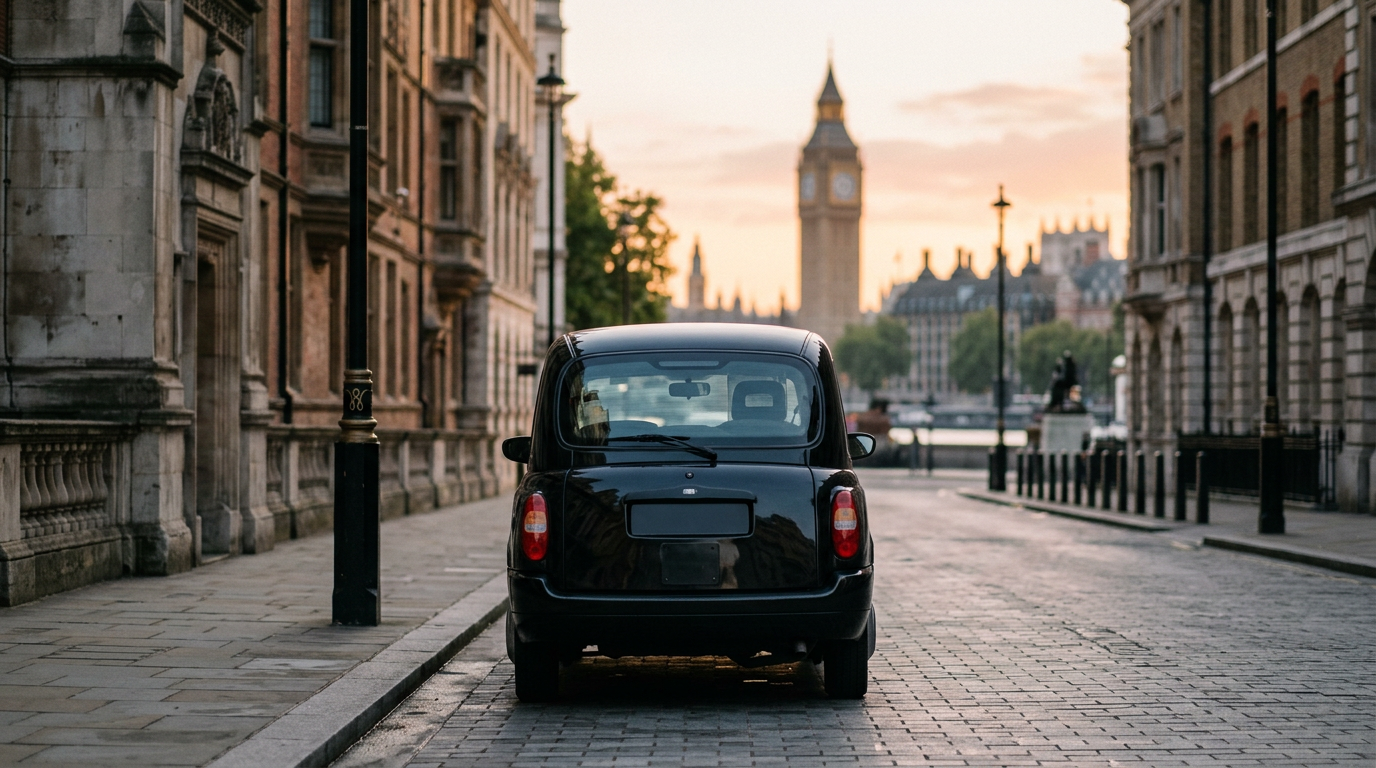
Since October 2021, every new and renewing private hire driver in London has had to pass the SERU TfL assessment — Safety, Equality and Regulatory Understanding. It's a 36-question, 1-hour test with a pass mark of 30 out of 36 (about 83%). Get less than 30 right and you can't drive private hire in London.
What does SERU cover?
The TfL syllabus has six topics. The number of questions in each topic is roughly proportional:
- Safety and safeguarding — protecting passengers, especially vulnerable adults and children.
- Equality and disability awareness — Equality Act 2010, assistance dogs, accessible service.
- The driver, the operator and the passenger — roles, responsibilities and the legal relationship between them.
- Driving standards and roadworthiness — vehicle condition, MOT, insurance.
- Notifying TfL — what you must report (medical conditions, criminal convictions, address changes) and how soon.
- Map reading — basic A–Z navigation. Not the Knowledge — far simpler.
Why drivers fail SERU
Most failures come down to wording. SERU questions test whether you know exactly what TfL says, not what would feel reasonable on the road. For example:
- "Driver" and "operator" are different — never use them interchangeably.
- "Private hire" and "taxi" are different — black cabs are taxis; minicabs and Uber are private hire.
- "Pre-booked" is the only legal way private hire passengers can travel — you cannot accept a hail or wait at a rank.
Key facts to memorise
- Notify TfL within 7 days of any change of name, address, conviction or relevant medical condition.
- Assistance dogs travel free, regardless of size or breed. Refusing is a criminal offence.
- Wheelchair users must be carried at the same fare as anyone else, with no extra charge.
- You must keep your booking confirmation from your operator for the entire journey.
- Vehicles must display TfL roundel discs at the front and rear at all times.
Tips to pass first time
Read every question twice. SERU often phrases questions in the negative ("Which of the following is NOT…?") and many candidates miss the "NOT".
Practise with mocks specifically designed for SERU. Generic UK driving theory questions won't cover the TfL-specific regulations. Our SERU TfL practice tests mirror the real format with identical wording style.
Aim for 33+ in your mocks before booking the real test. The 30/36 pass mark leaves no margin and the stress of the real test typically drops your score 1–2 marks below your mock average.
Booking and re-sits
Book through TfL only. The test is online, taken in your own home with a webcam (Pearson VUE OnVue-style), or at an approved TfL centre. The fee is included in your licence application.
If you fail, you can re-sit after a short waiting period, but repeated failures may delay your licence. One pass is good for the duration of your licence — you don't have to retake at every renewal.
Start practising
Take a free SERU TfL practice test now, and explore the full Professional Certification hub for related exams like CSCS and SIA. If you drive other vehicles too, our Driving Theory guide may help.
Free practice
Start CSCS Mock Test 1
Free, instantly marked, with full written explanations.
Start mock test 1Quick study plan
If you only have a fortnight to prepare, split your time into three blocks. Spend the first few days reading any official handbook or syllabus straight through — don't try to memorise yet, the goal is familiarity. Move on to topic-by-topic revision, focusing on the areas you found least intuitive on the first read. In the final week, switch to timed mock tests under exam conditions; mark every paper ruthlessly and read every explanation, including for questions you got right by guessing. Most candidates improve by 8–12 marks between their first and third mock simply by closing knowledge gaps this way.
Common myths to ignore
Three myths trip up more candidates than any single topic. The first is that "if I sit enough mocks, I'll spot the real questions on test day" — modern UK exam banks contain hundreds of items and the question you see on the day will probably be brand new to you. The second is that you can cram the night before; most assessments reward calm focus more than recent recall, and tired candidates make basic mistakes. The third is that the pass mark is the only thing that matters: aiming for a comfortable buffer of 5–10 marks above the threshold is the single best insurance against an unlucky paper.
What to do on test day
Plan to arrive 15–20 minutes early with valid photo ID — usually a UK driving licence or passport — and any booking confirmation you've been emailed. Eat something light beforehand, drink water but not so much that you'll need a comfort break mid-paper, and silence your phone before you walk through the door. Read every question twice, flag anything you're unsure of, and never leave a blank — there's no negative marking on the assessments most readers of this site sit, so a considered guess is always better than no answer at all.