
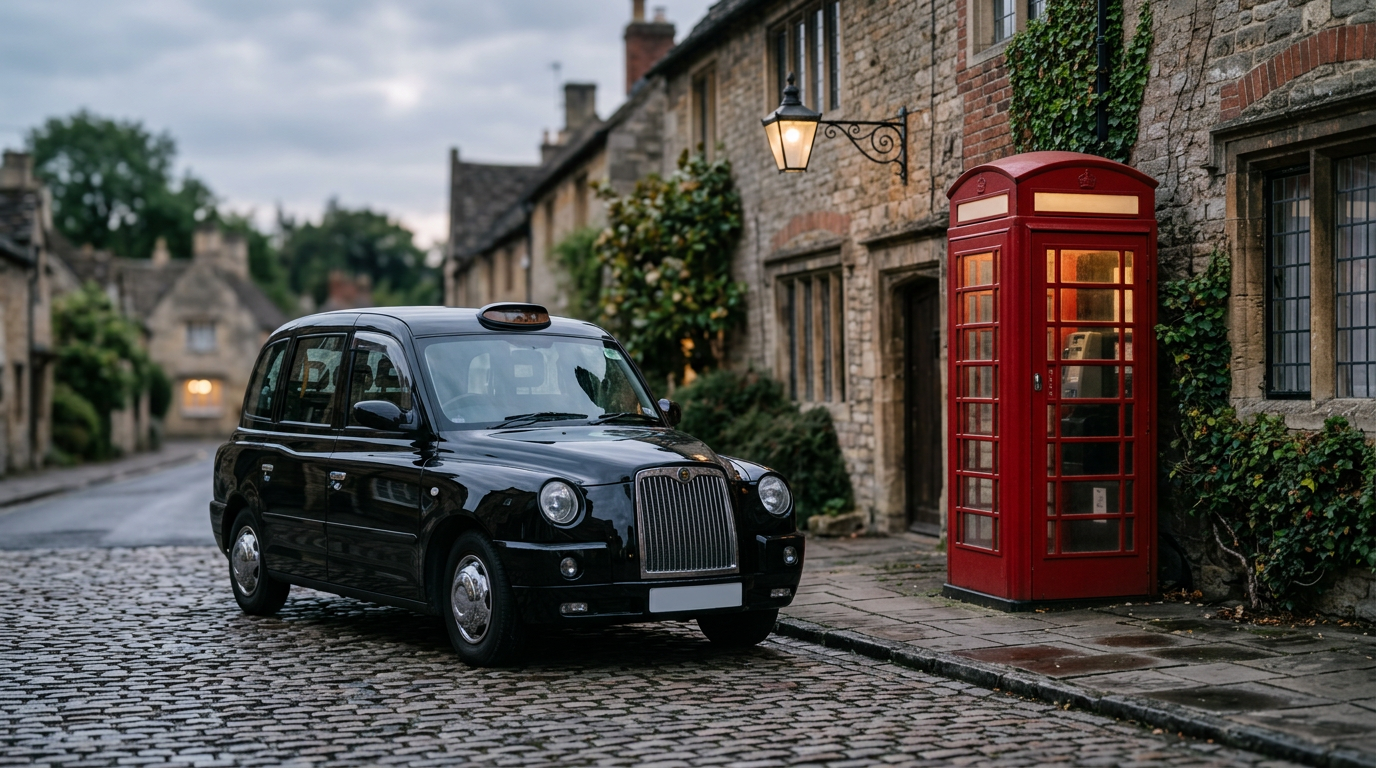
London's private hire trade is one of the most accessible routes into self-employment for new arrivals, career-changers and people leaving regulated industries. It is also one of the most heavily licensed. This 2026 guide walks through the realistic path from first application to first booking.
Step 1 — Decide if it's right for you
PHV driving suits people who enjoy autonomy, are comfortable with shift patterns including evenings and weekends, and who can deal calmly with a wide range of passengers. It does not suit people who want predictable hours, generous holiday pay or fixed earnings.
Step 2 — Check eligibility
- Aged 21 or over.
- Right to live and work in the UK.
- Valid driving licence held for at least three years.
- Medically fit to DVLA Group 2 standard.
- Able to evidence English at CEFR B1 or higher.
Step 3 — Apply to TfL
Submit your application online through the TfL Taxi and Private Hire portal. Pay the application fee. Upload your supporting documents and book your DBS, medical, English test, Topographical and SERU.
Step 4 — Pass the assessments
Use our Taxi & Private Hire hub to revise. Aim for 90%+ on every mock before you book the live exam. Read the dedicated guides: SERU, Topographical, English requirement, DBS check.
Step 5 — Choose an operator
You can only accept bookings through a TfL-licensed operator. Compare commission rates, vehicle requirements (some require ULEZ-compliant cars or specific colours), insurance arrangements and complaint handling. Ask current drivers for honest feedback.
Step 6 — Vehicle and insurance
Your vehicle must be licensed as a PHV with TfL or rented from a licensed PHV operator. You'll need hire-and-reward insurance. Read our ULEZ guide before you choose a car.
Step 7 — Tax and accounts
Most PHV drivers are self-employed. Register with HMRC, set aside roughly 25–30% of gross earnings for tax and National Insurance, and keep accurate trip and expenses records. The HMRC tax check at every TfL renewal is mandatory — see HMRC tax check practice.
Step 8 — First few weeks on the road
Start with shorter shifts to build stamina and learn your operator's app. Track earnings versus hours, fuel and time of day to identify which shifts work best. Keep all records — you'll need them for tax and licence renewal.
Long-term success
The drivers who last in this trade share three habits: they keep all paperwork tidy and current; they treat every passenger professionally regardless of mood or fare; and they keep practising the rules even years into the job, because TfL standards evolve. Bookmark our Taxi & Private Hire hub and dip back in whenever you renew.
Disclaimer: UK Test Hub is independent and not affiliated with Transport for London. Always confirm fees, formats and rules on tfl.gov.uk.
Free practice
Start SERU TfL Mock Test 1
Free, instantly marked, with full written explanations.
Start mock test 1Quick study plan
If you only have a fortnight to prepare, split your time into three blocks. Spend the first few days reading any official handbook or syllabus straight through — don't try to memorise yet, the goal is familiarity. Move on to topic-by-topic revision, focusing on the areas you found least intuitive on the first read. In the final week, switch to timed mock tests under exam conditions; mark every paper ruthlessly and read every explanation, including for questions you got right by guessing. Most candidates improve by 8–12 marks between their first and third mock simply by closing knowledge gaps this way.
Common myths to ignore
Three myths trip up more candidates than any single topic. The first is that "if I sit enough mocks, I'll spot the real questions on test day" — modern UK exam banks contain hundreds of items and the question you see on the day will probably be brand new to you. The second is that you can cram the night before; most assessments reward calm focus more than recent recall, and tired candidates make basic mistakes. The third is that the pass mark is the only thing that matters: aiming for a comfortable buffer of 5–10 marks above the threshold is the single best insurance against an unlucky paper.
What to do on test day
Plan to arrive 15–20 minutes early with valid photo ID — usually a UK driving licence or passport — and any booking confirmation you've been emailed. Eat something light beforehand, drink water but not so much that you'll need a comfort break mid-paper, and silence your phone before you walk through the door. Read every question twice, flag anything you're unsure of, and never leave a blank — there's no negative marking on the assessments most readers of this site sit, so a considered guess is always better than no answer at all.